Hainan in four places
The tropical island of Hainan is more than just the beach in Sanya. For a meaningful first route, four places carry the page: Sanya in the south, Wuzhishan in the green interior, Qiongzhong as a quieter middle ground on the island and Haikou as the urban counterpoint in the north.
After a week in Beijing, I continued to the tropical island in southern China. I have experienced Hainan myself and, in April 2026, travelled across the island by taxi over two weeks. That is why this page is not just about “beach in China”, but about how the island feels in practice and how its different parts can be connected sensibly.
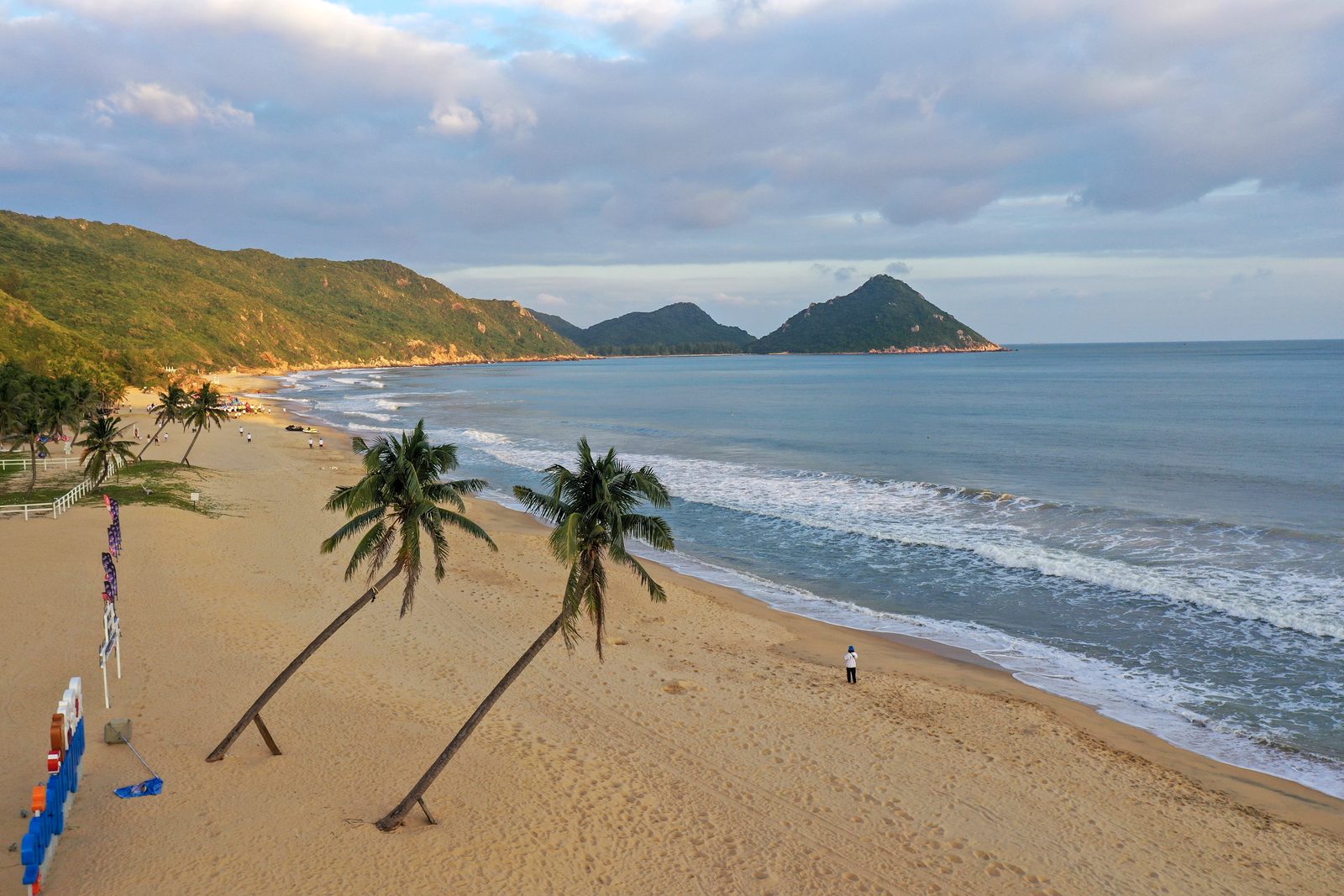
The easiest entry into tropical Hainan. Long sandy beaches, plenty of palms and inexpensive coconuts.
Mount Wuzhi is the highest mountain on Hainan and rises 1,840 metres above the centre of the island.
The less familiar middle ground of the island. Here, you become part of the local curiosity yourself.
The geographical counterpoint to Sanya, with interesting architecture and a good point for arrival or departure.
1. Sanya: beach, food and southern Hainan
Sanya is the most obvious starting point if you want Hainan to mean sea, warmth and a softer beginning. The south of the island feels more like a holiday resort area than Haikou or the island interior. That can be useful if China should not start immediately with a big city, metro systems and high speed.
Sanya is interesting not only because of the beach. Food, markets, evening atmosphere and short distances make the place practical. For German speaking first time visitors, Sanya is a good place to arrive, test apps, set up eSIM and payment methods and ease into China.
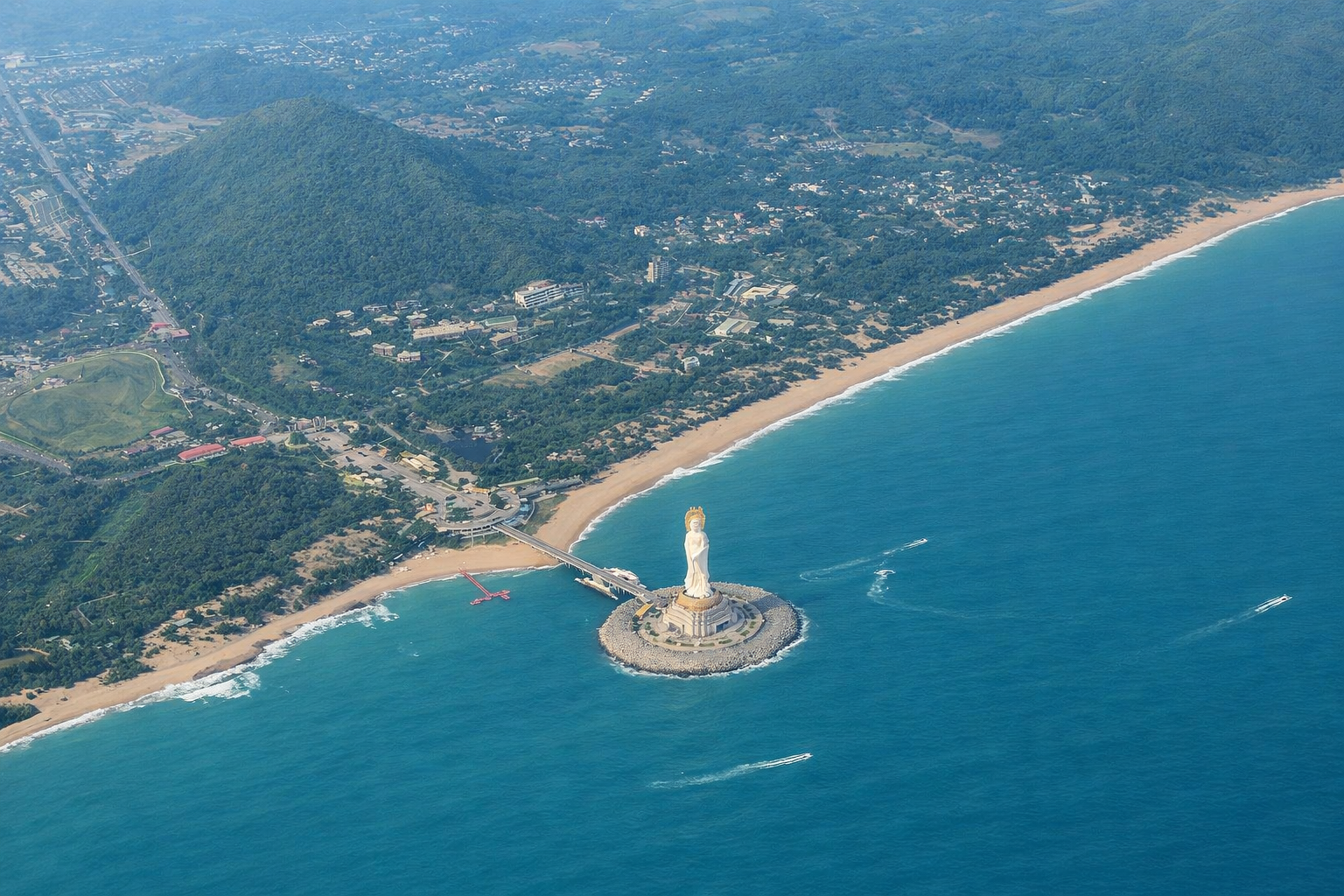
A coast on a large scale
Sanya immediately feels different from many large Chinese cities because of its bays, beaches and coastline. The view from above shows why southern Hainan looks like a holiday destination at first glance and still remains unmistakably China.
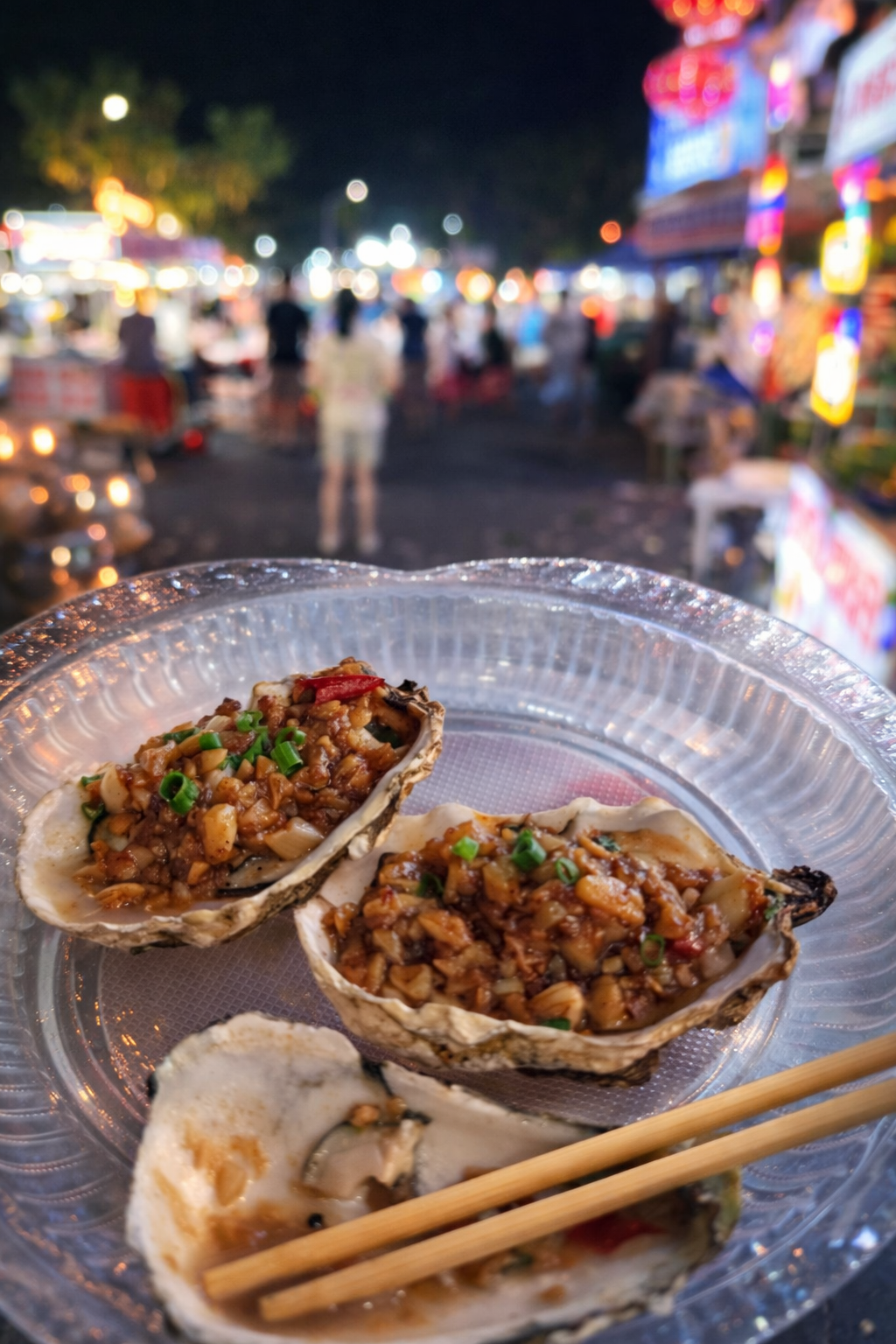
Sanya becomes tangible in the evening
In the evening, Sanya is more than a beach destination. Food stalls, lights, smells and small stands make the city easy to approach. For a first stay in China, impressions like these are valuable: you do not have to understand everything, but you quickly find the rhythm.
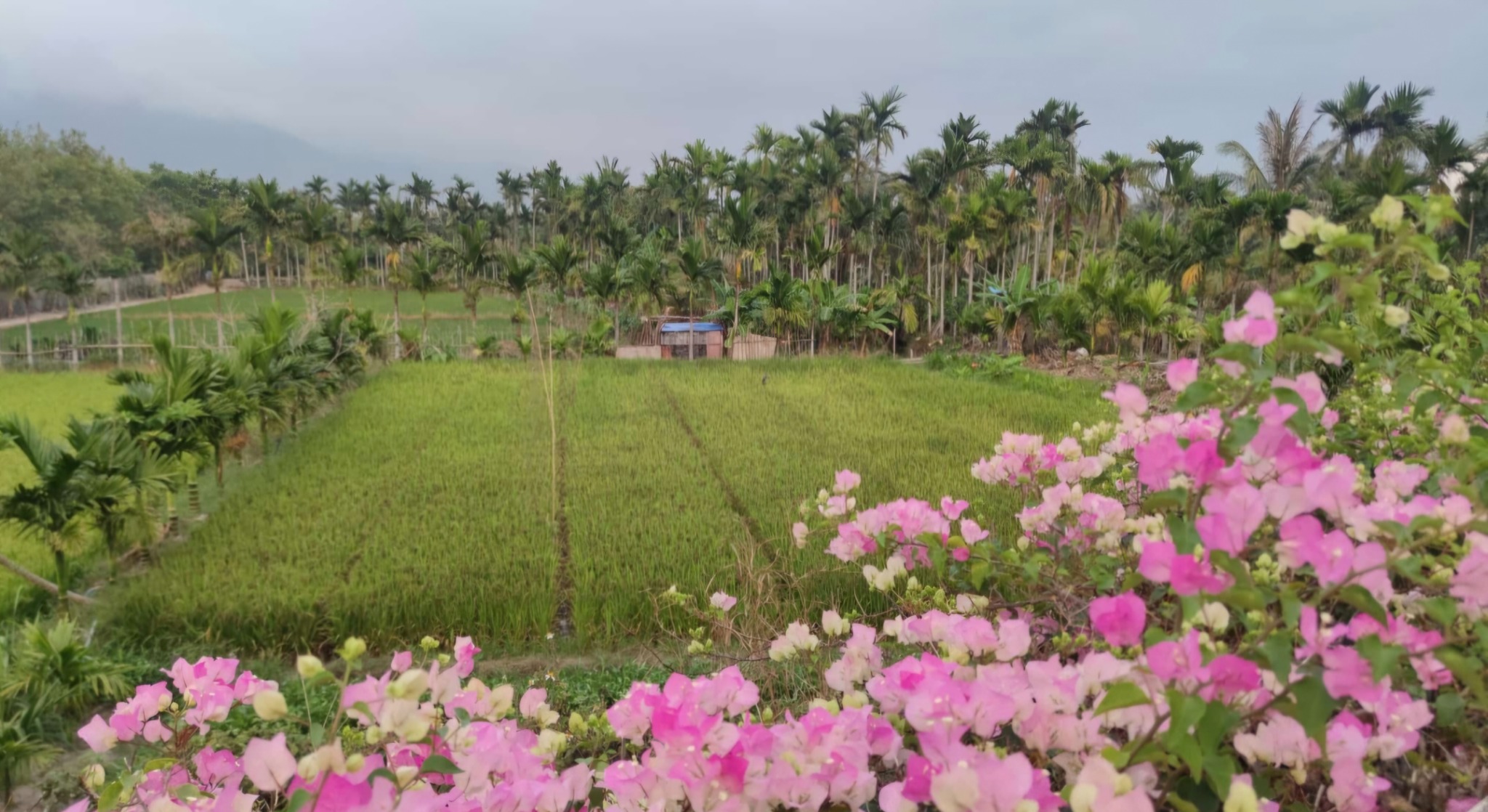
Not just beach
Even around Sanya, you notice that Hainan is more than water and hotels. Palms, fields, flowers and humid air give the island a tropical character that becomes even stronger later in the interior.
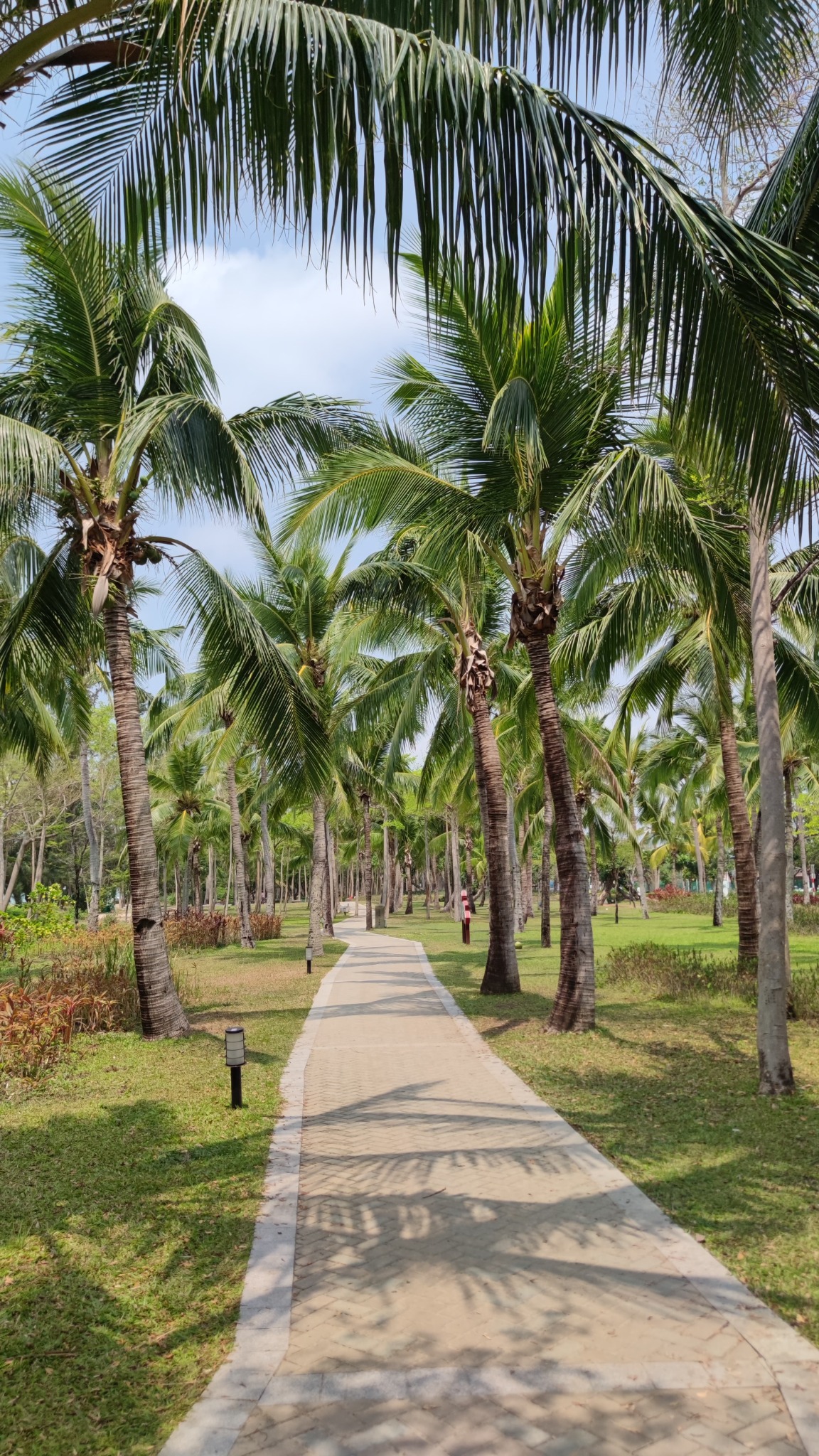
Gentle paths instead of big city pace
Paths lined with palms are a good reason not to see Sanya only as a beach resort. At the beginning of a China trip, that is pleasant: walking, looking around, arriving, without being overwhelmed straight away by a huge city.

Beach with a city backdrop
The beach is not cut off from the city. That is what makes Sanya interesting: palms, sand, sea and modern high rises in the background. It feels like a holiday, yet remains part of a Chinese city.
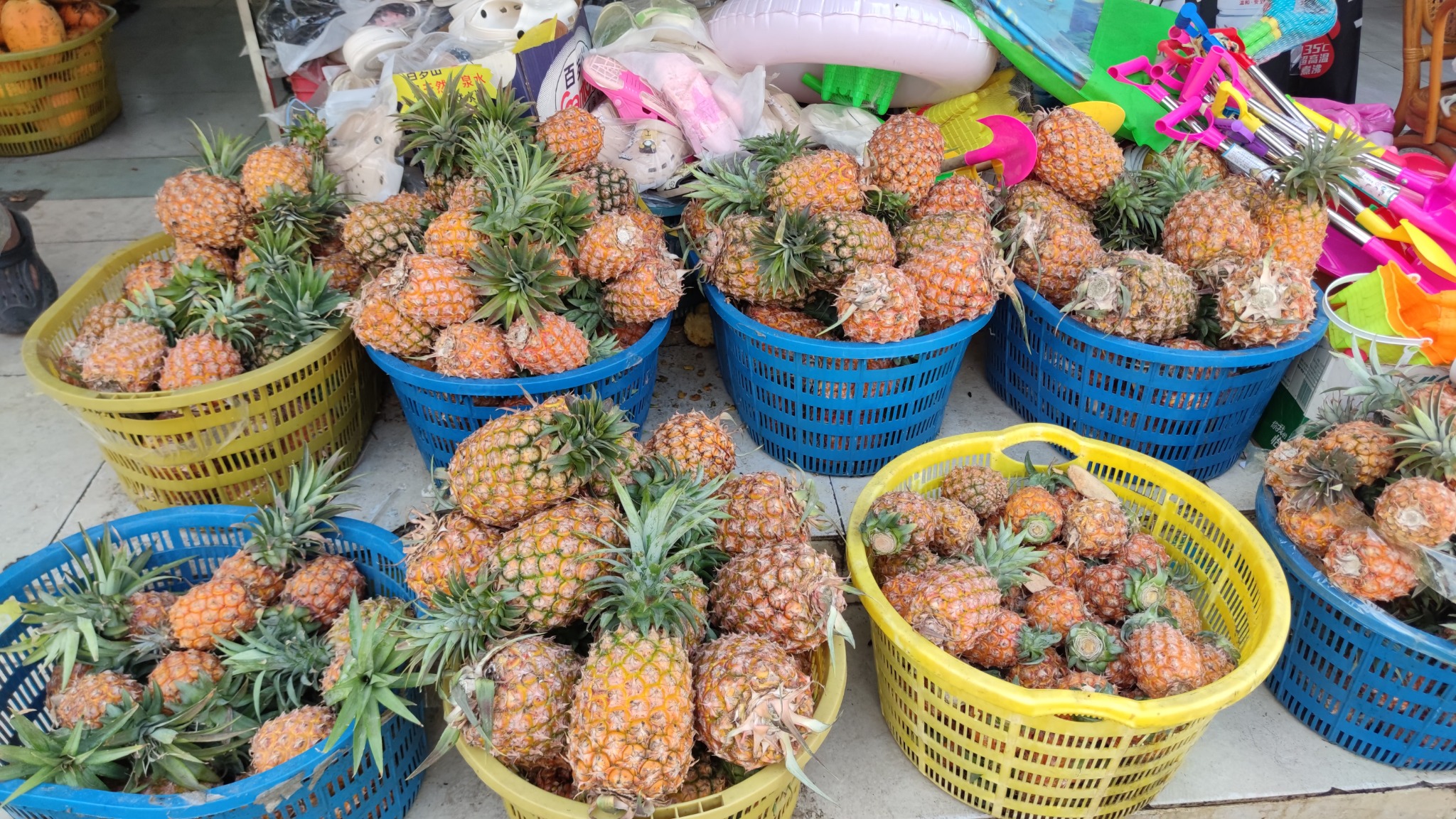
Fruit belongs here
Pineapples, coconuts and tropical fruit are not decorative details on Hainan; they are part of everyday life. Simple scenes like this make the south of the island accessible and quickly show why Hainan feels different from northern China.
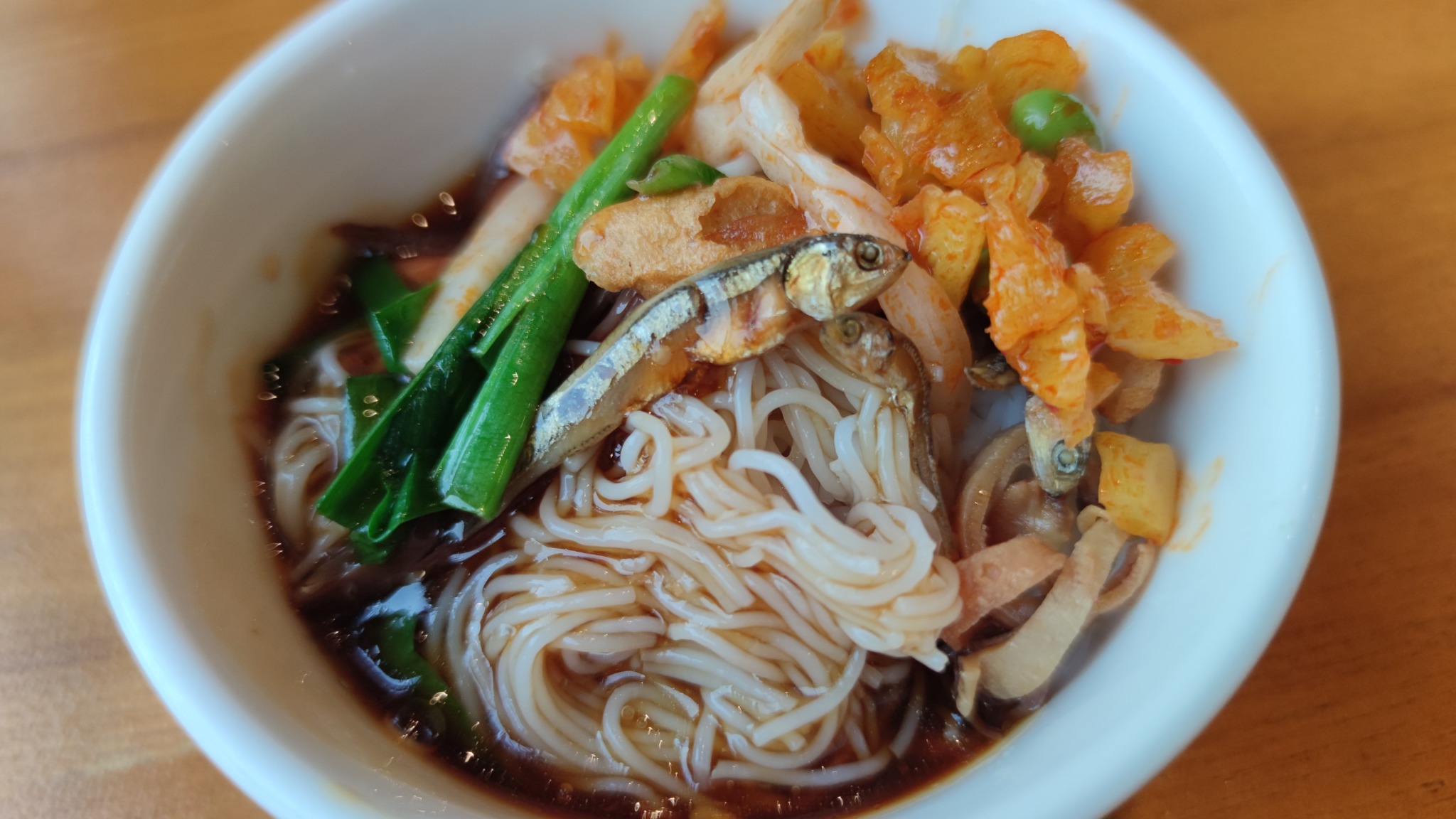
Eat simply, start well
Sanya also works well as a starting point because it is easy to find food. Small dishes, noodles, seafood and fruit make the first few days easier. Not everything has to be planned; often it is enough to go outside and let the place carry you along.
2. Wuzhishan and the green interior
For me, Wuzhishan is the most important counterpoint to the familiar images of Hainan. This is not about the beach, but about green interior, mountains, rivers and a much quieter side of the island. A taxi route in stages makes especially clear how strongly inland Hainan differs from the coastal image.
If you stay only on the coast of Hainan, you miss a large part of the island’s feeling. Wuzhishan and the inland area make Hainan more varied and give the trip more depth.
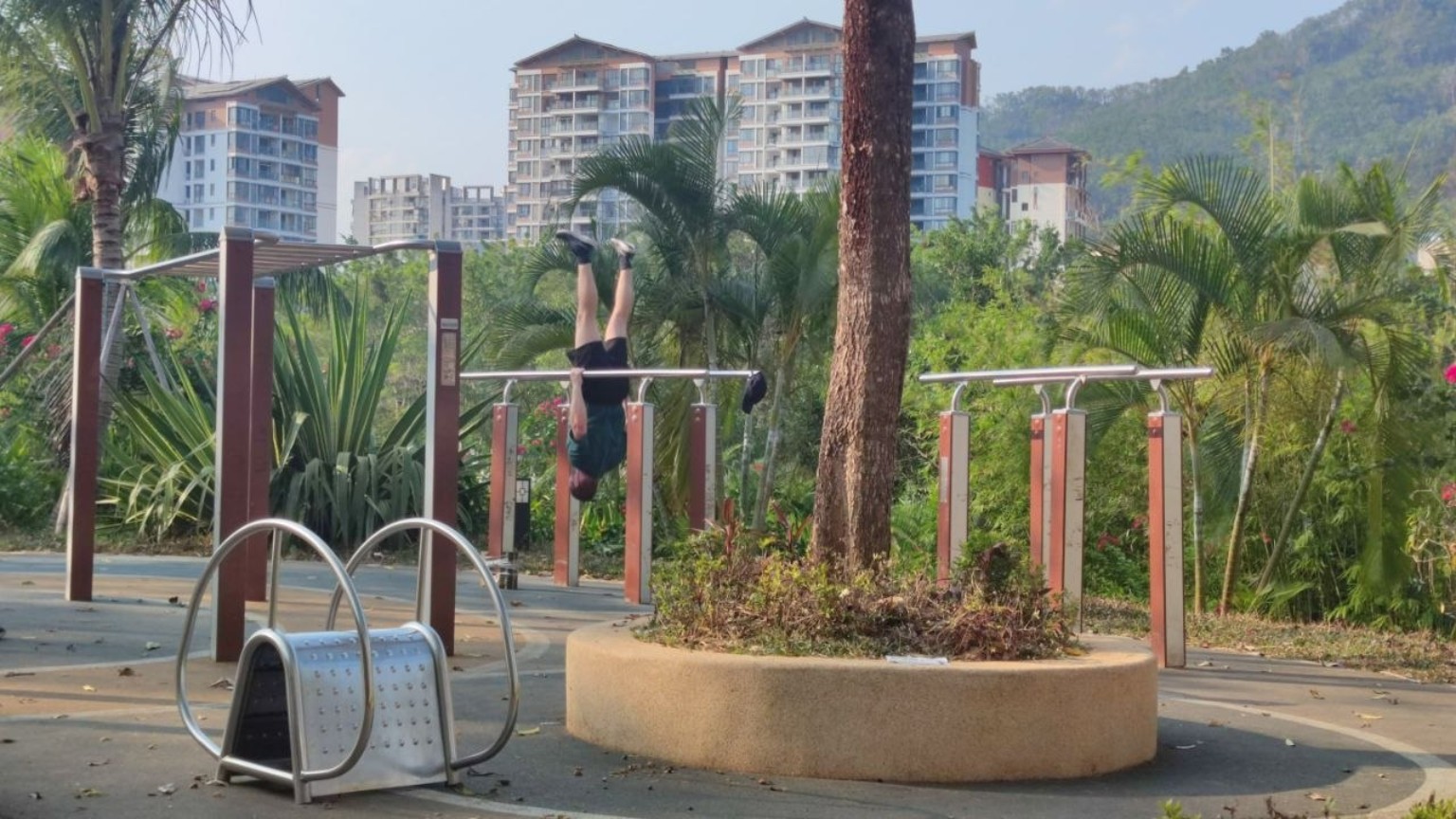
Forest park near Wuzhishan
This image stands for the character around Wuzhishan: lots of greenery, mountains in the background, tropical plants and a calmer atmosphere than on the coast.
Green inland city feeling
Wuzhishan does not feel like a classic resort. Between residential buildings, slopes, trees and small everyday scenes like this, Hainan takes on another face. The interior feels slower and more local.
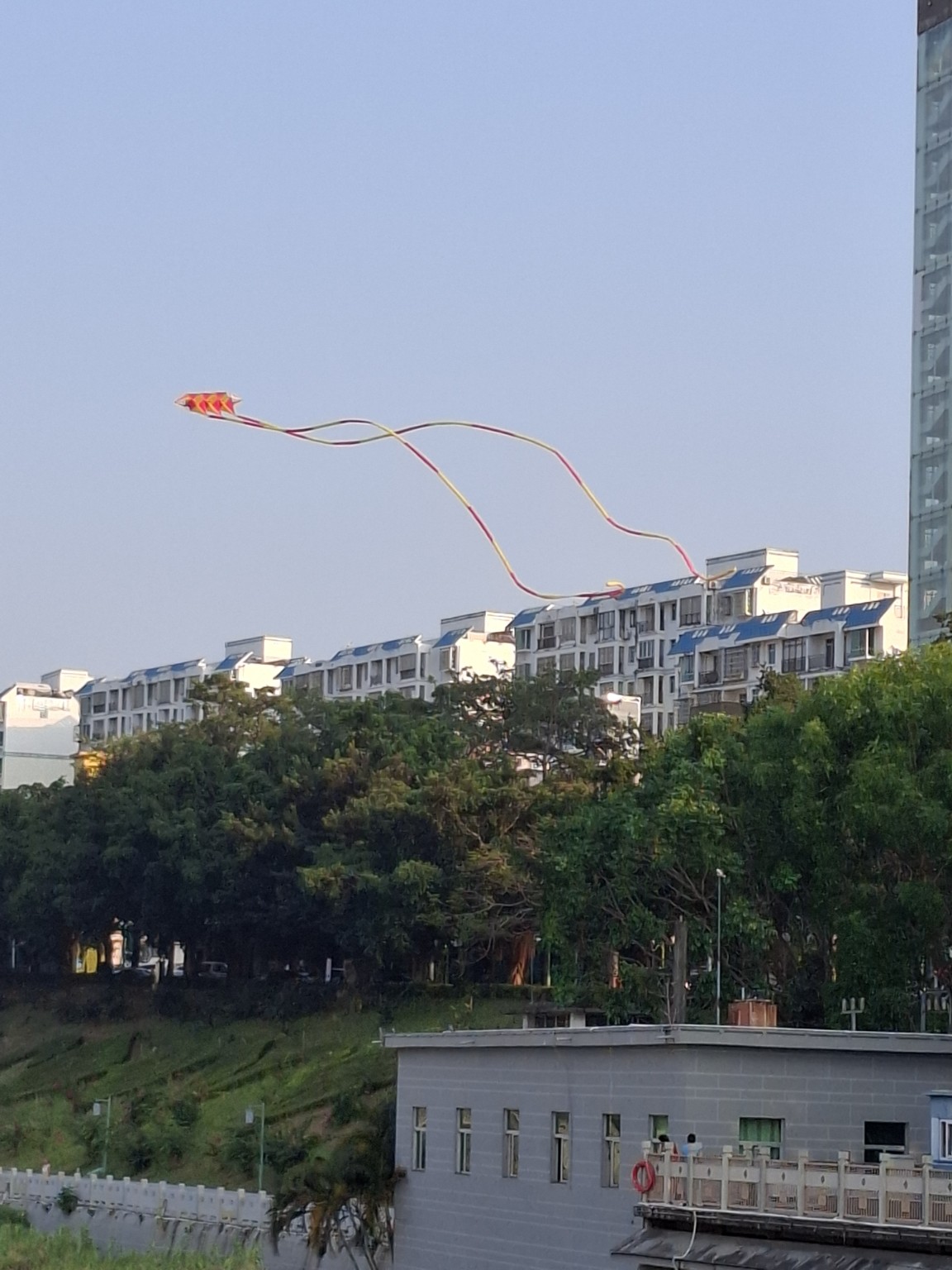
A clear personal recommendation from my own experience. The hotel felt very new, the non smoking room worked well, coffee was available free of charge in the lobby and breakfast on the top floor was very good.
A strong personal recommendation for a quieter and greener Hainan route. The hotel fits especially well if you do not want to see the island only as a beach destination.
3. Qiongzhong: green, quiet and in the middle of Hainan
Qiongzhong lies in the interior of Hainan and fits well between Wuzhishan and Haikou. Here, the place stands as its own third building block of the route: less known, greener, quieter and a good counterpoint to the coastal images.
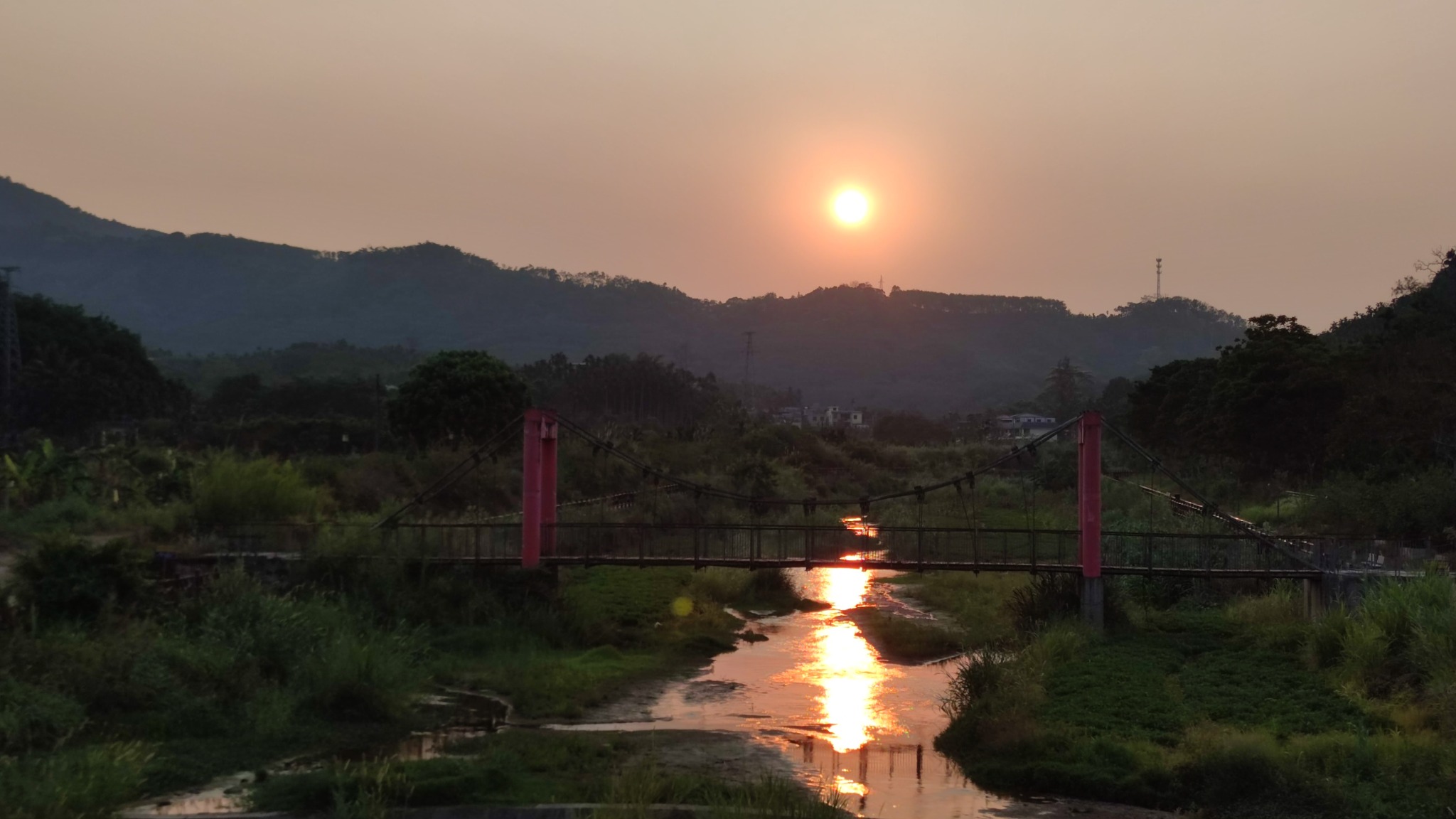
Qiongzhong in the evening
With the mountains in the background and the small river in the foreground, Qiongzhong feels much calmer than the coastal towns. Scenes like this show why the interior of Hainan has an appeal of its own.
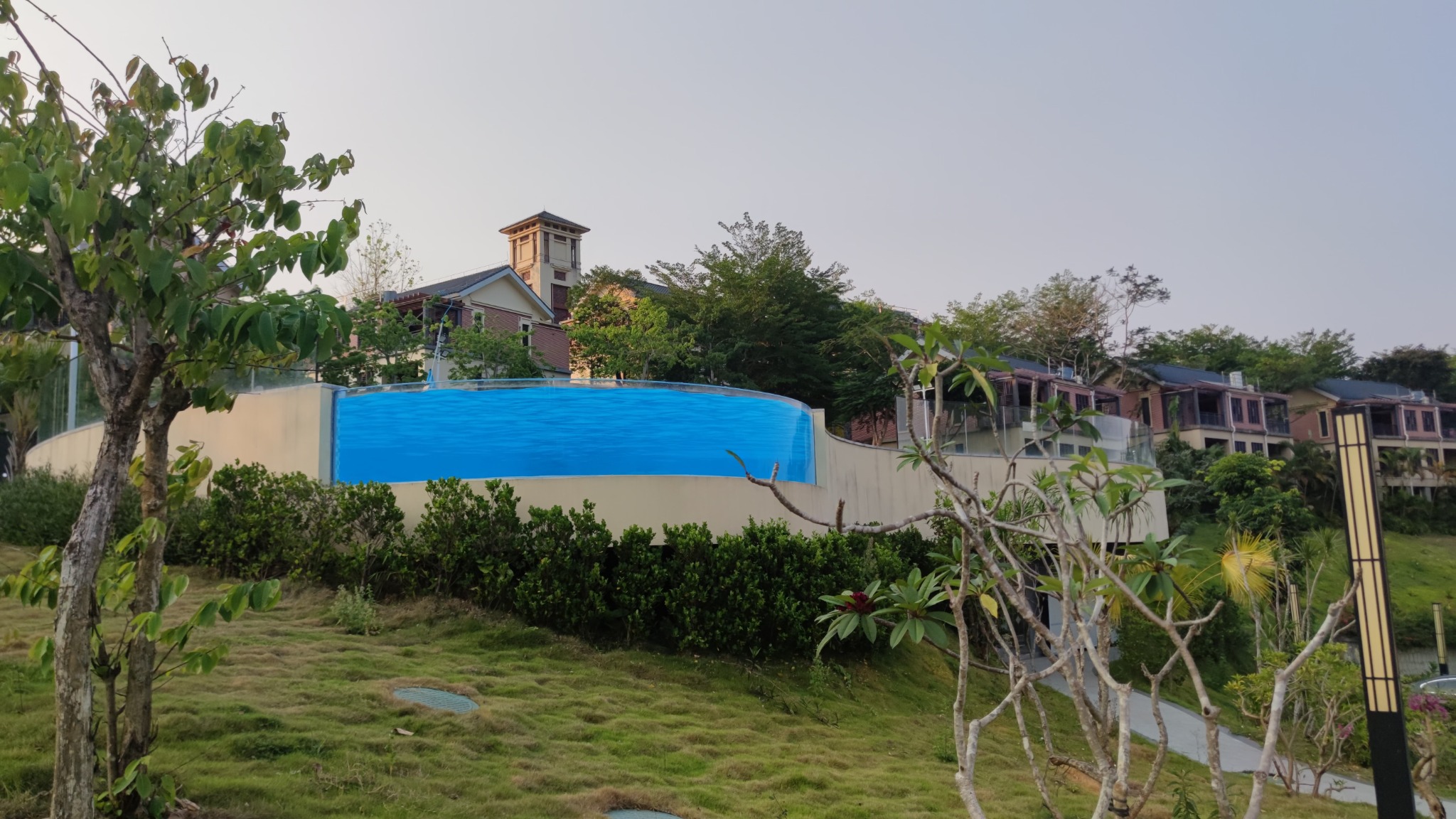
A resort in the greenery
This complex fits the quieter side of Hainan well. A lot of greenery, low buildings and open spaces make it clear that Qiongzhong looks less like a beach city and more like a retreat in the island interior.
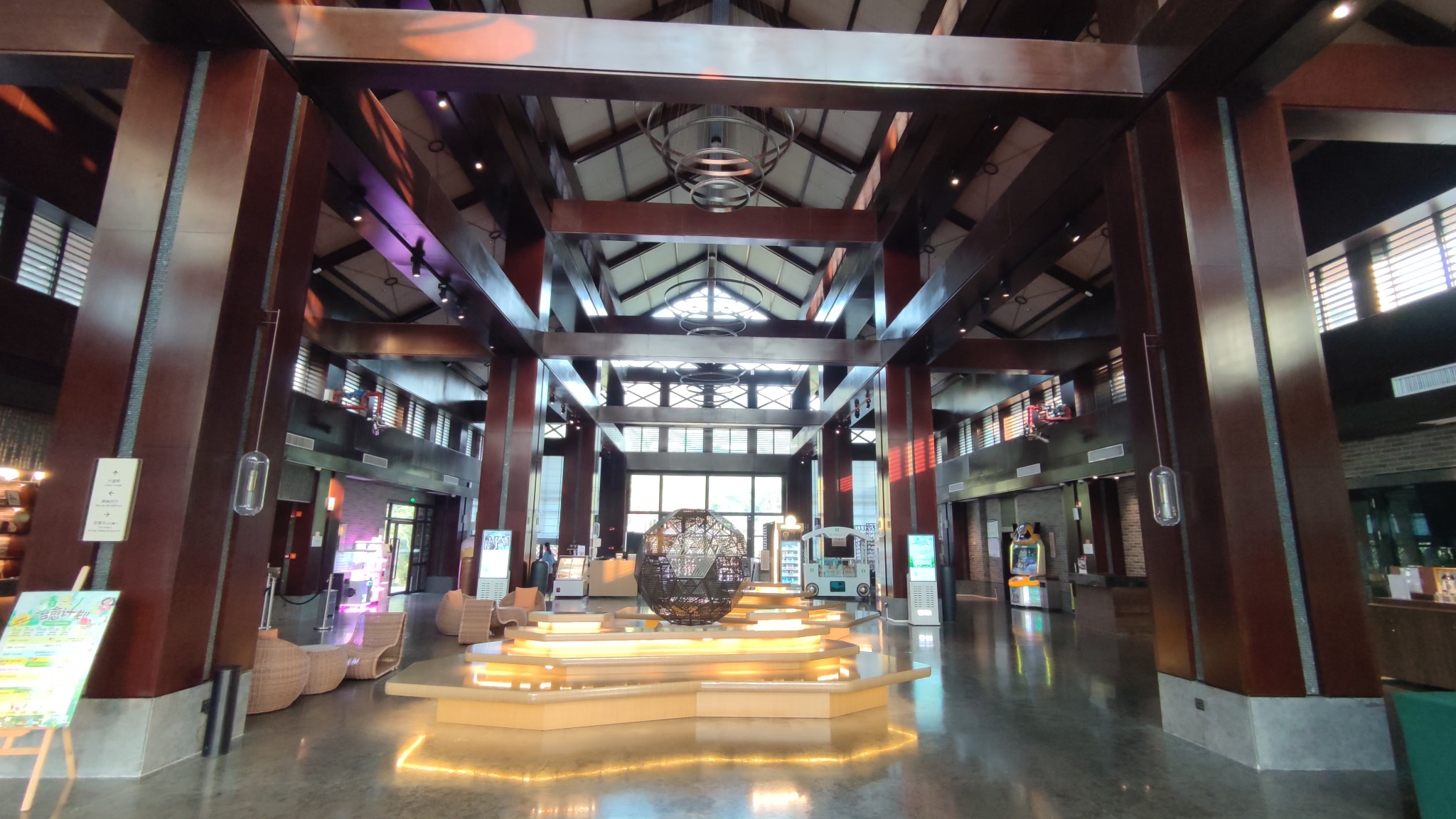
Large lobby, relaxed atmosphere
The image shows the calmer hotel character in Qiongzhong. On a Hainan route with several stops, a place like this can make sense if you want to slow down deliberately between the coast and the cities.
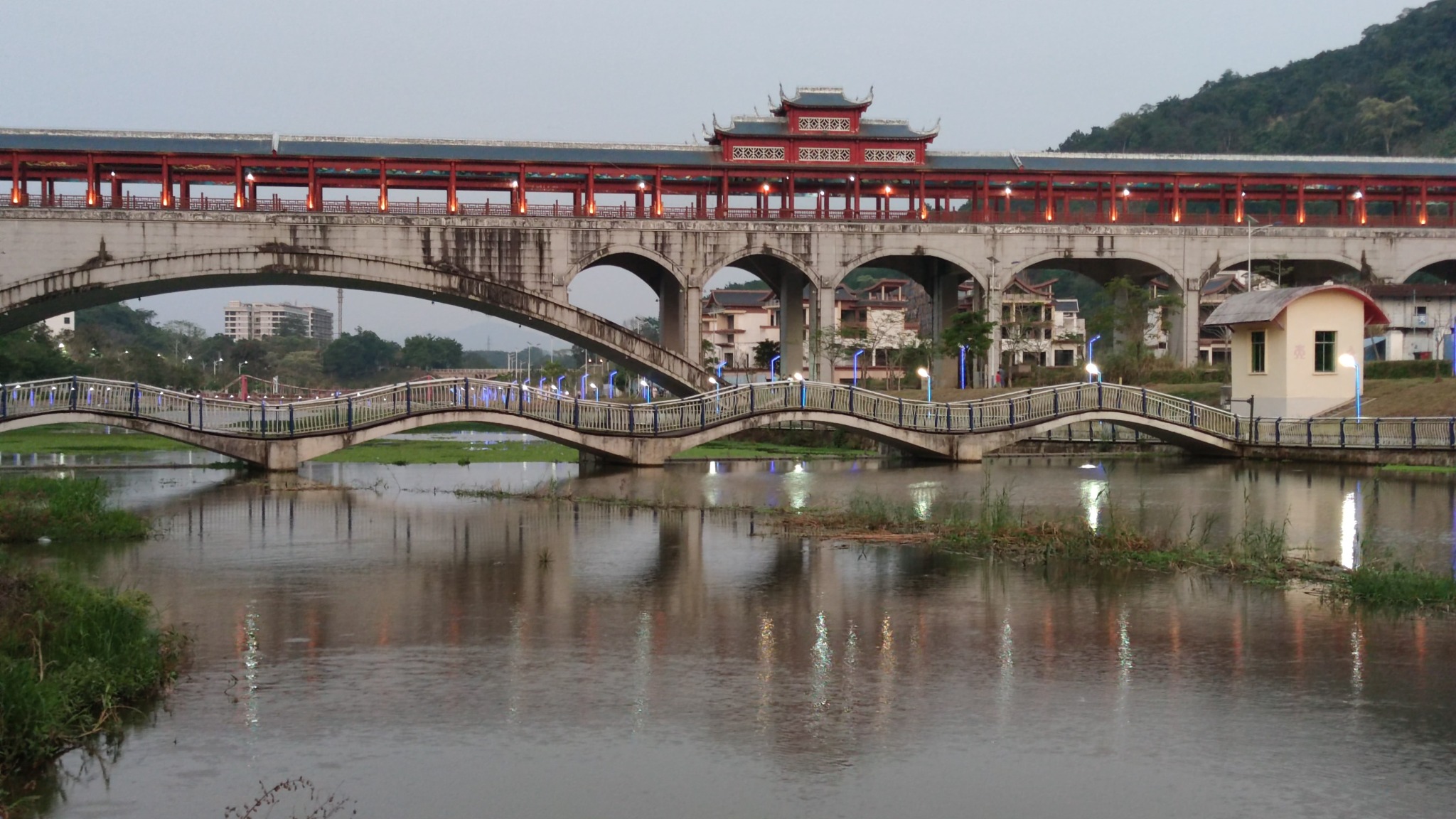
Bridges and waterways
In terms of landscape, Qiongzhong also feels different from Sanya or Haikou. Water, bridges and the hilly surroundings give the place its own face, one that remains close to the green interior of the island.
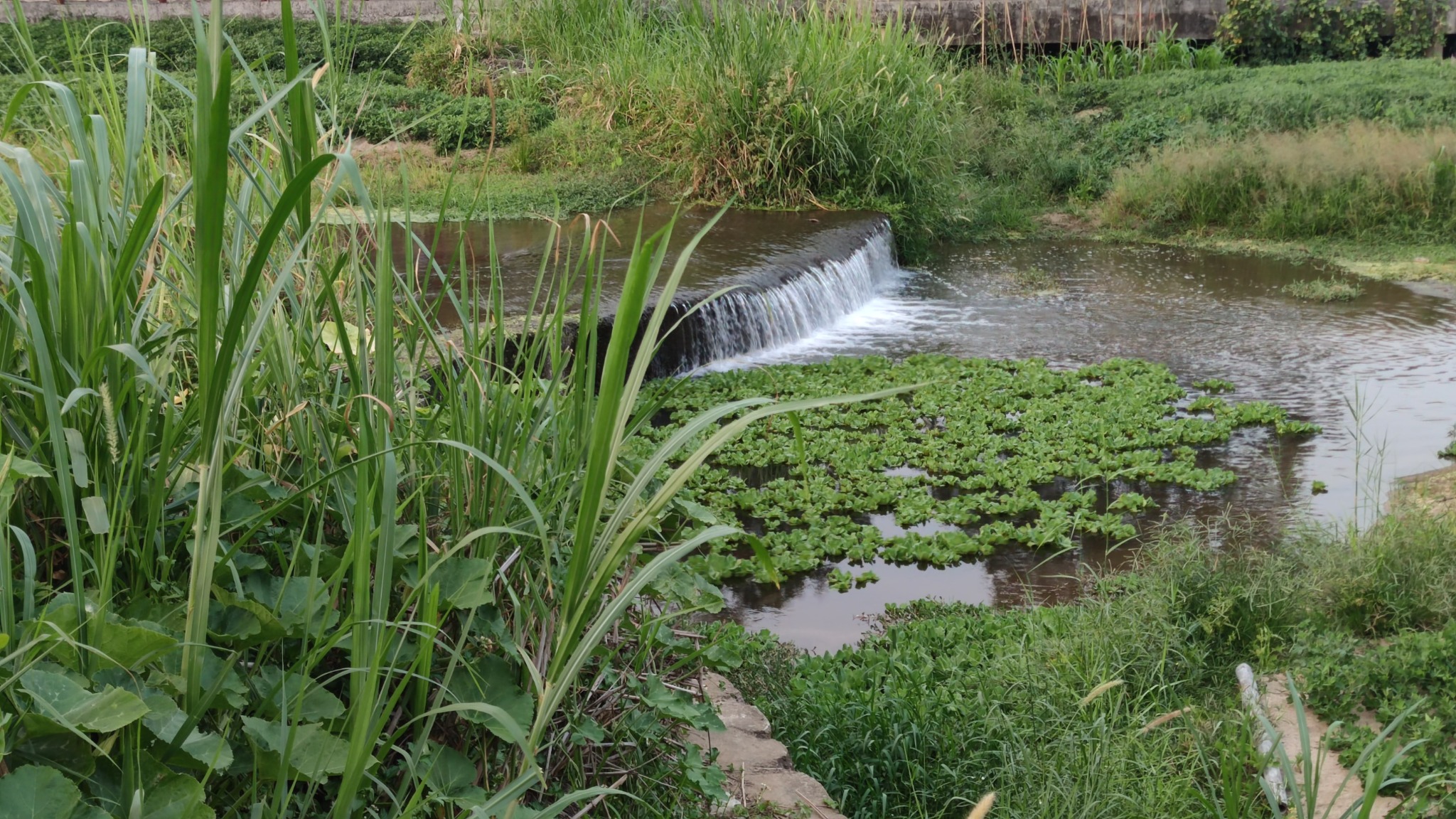
Nature right in town
Qiongzhong does not live from major sights, but from exactly these kinds of impressions. Watercourses, plants and a lot of greenery make the place interesting for anyone who wants to see more on Hainan than beaches and high rises.
4. Haikou: city, north and practical entry point
Haikou is not Sanya. In the north, Hainan changes its face: more urban, more everyday, in places volcanic and less purely like a holiday backdrop. At the same time, it should not be forgotten that there are beautiful sandy beaches around Haikou too.
If you arrive or depart via Haikou, you get a different view of Hainan: more city, more markets, more old island everyday life. In combination with Sanya and Wuzhishan, this becomes a more rounded island route instead of just a beach stay.
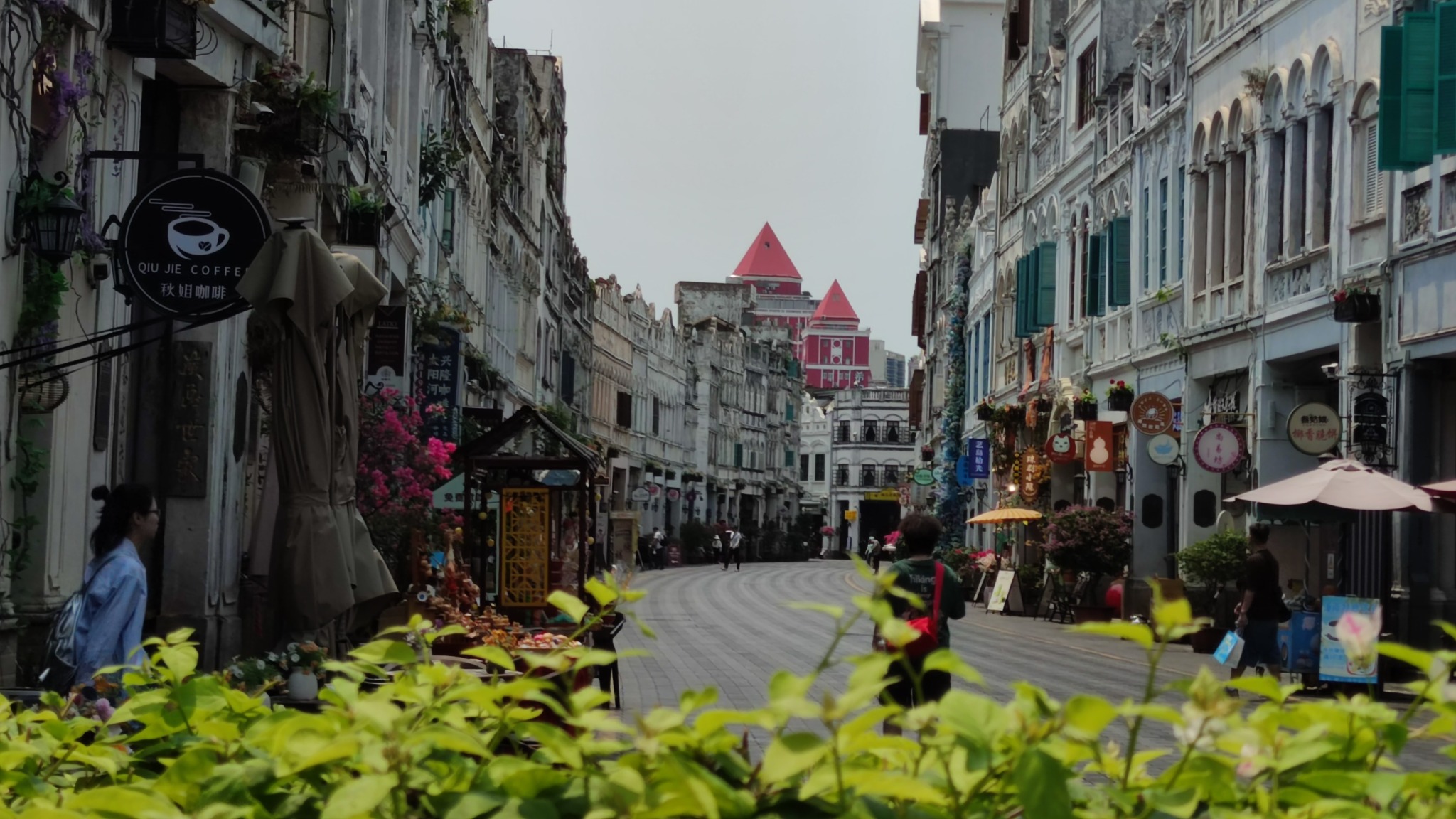
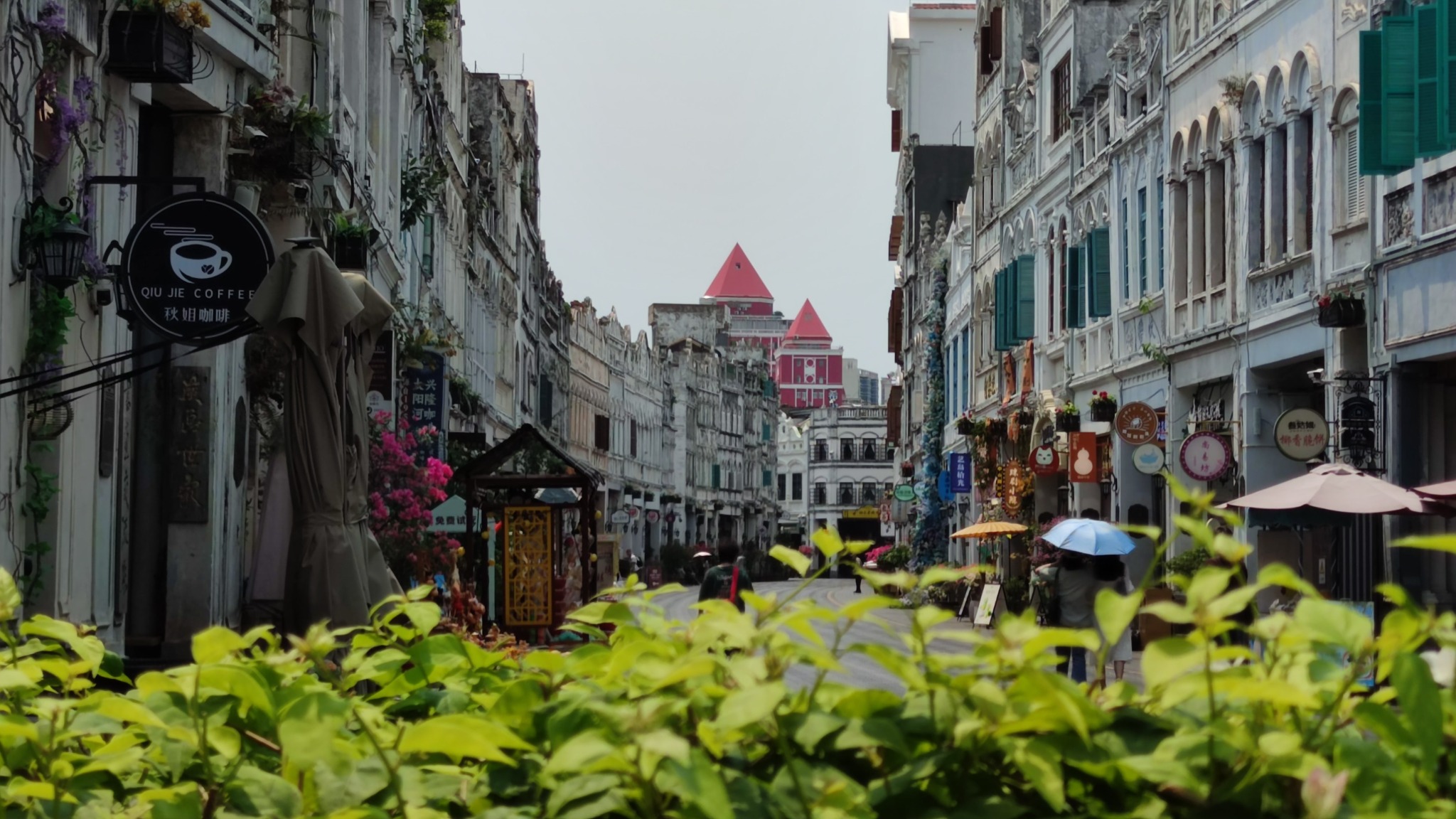
Qilou architecture and old streets
With its Qilou streets, Haikou has a character of its own. The arcades, old façades, cafés and small shops show a city that does not feel like Sanya, but more like an old port city and everyday island life.
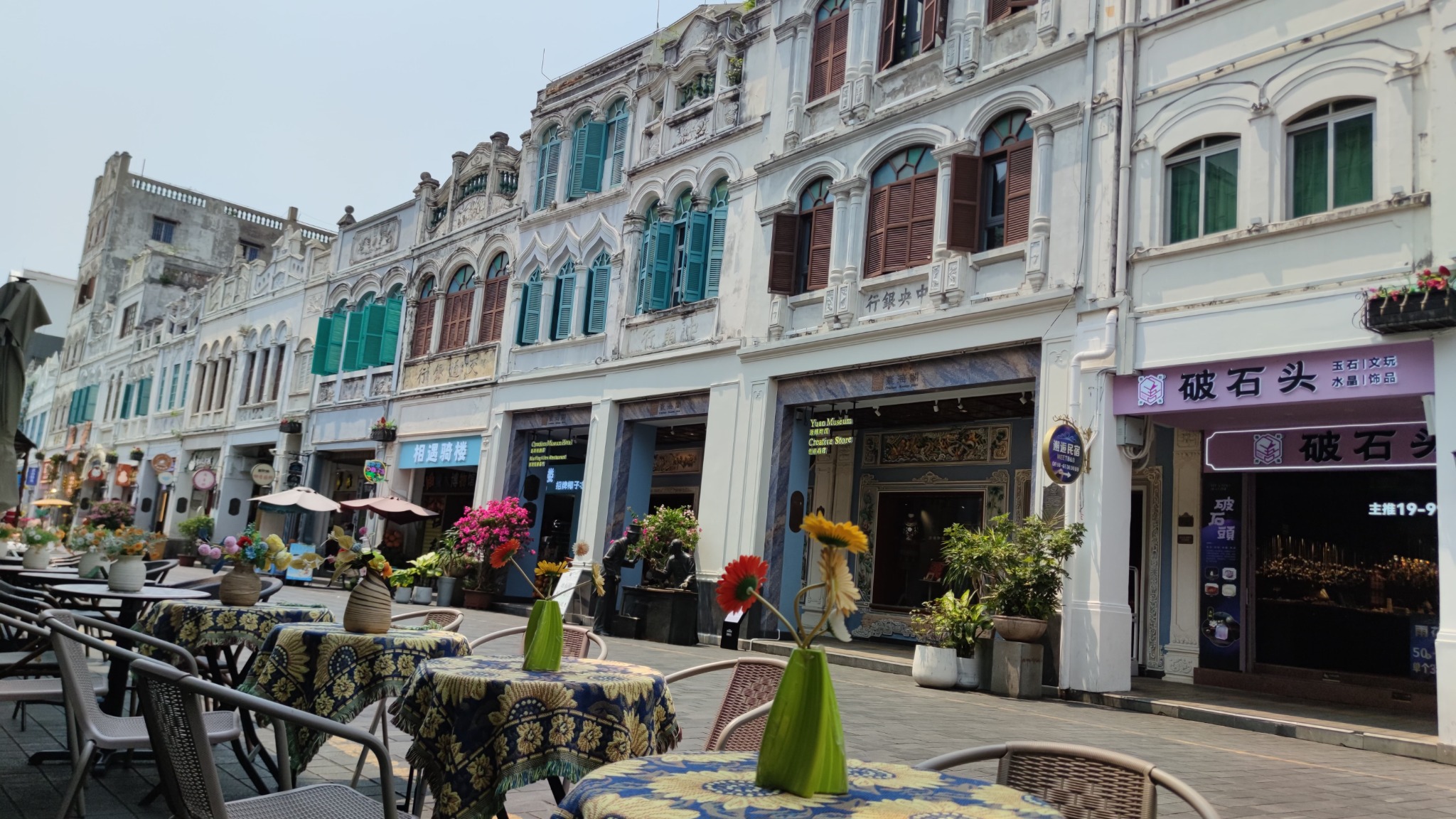
Haikou feels different from the south
Between bright façades, open shutters and small tables on the street, Haikou has a calmer, older atmosphere. This contrast is exactly what makes the north of Hainan interesting.
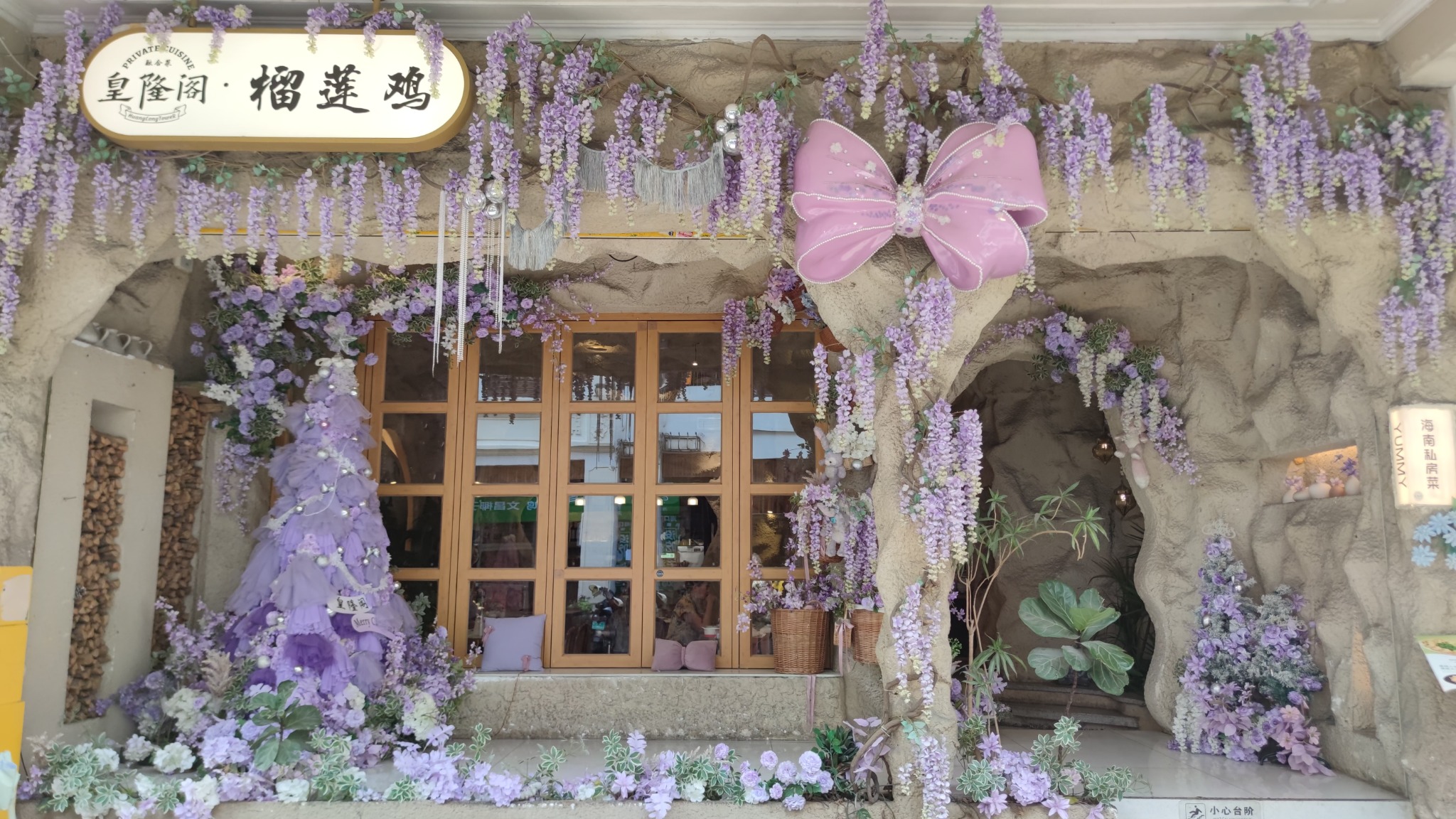
Kitsch, colour and everyday life
Not everything in Haikou is historically sober. Some shops and restaurants are playful, colourful and almost overdecorated. That also fits the cityscape: old building fabric, new uses and plenty of local taste side by side.
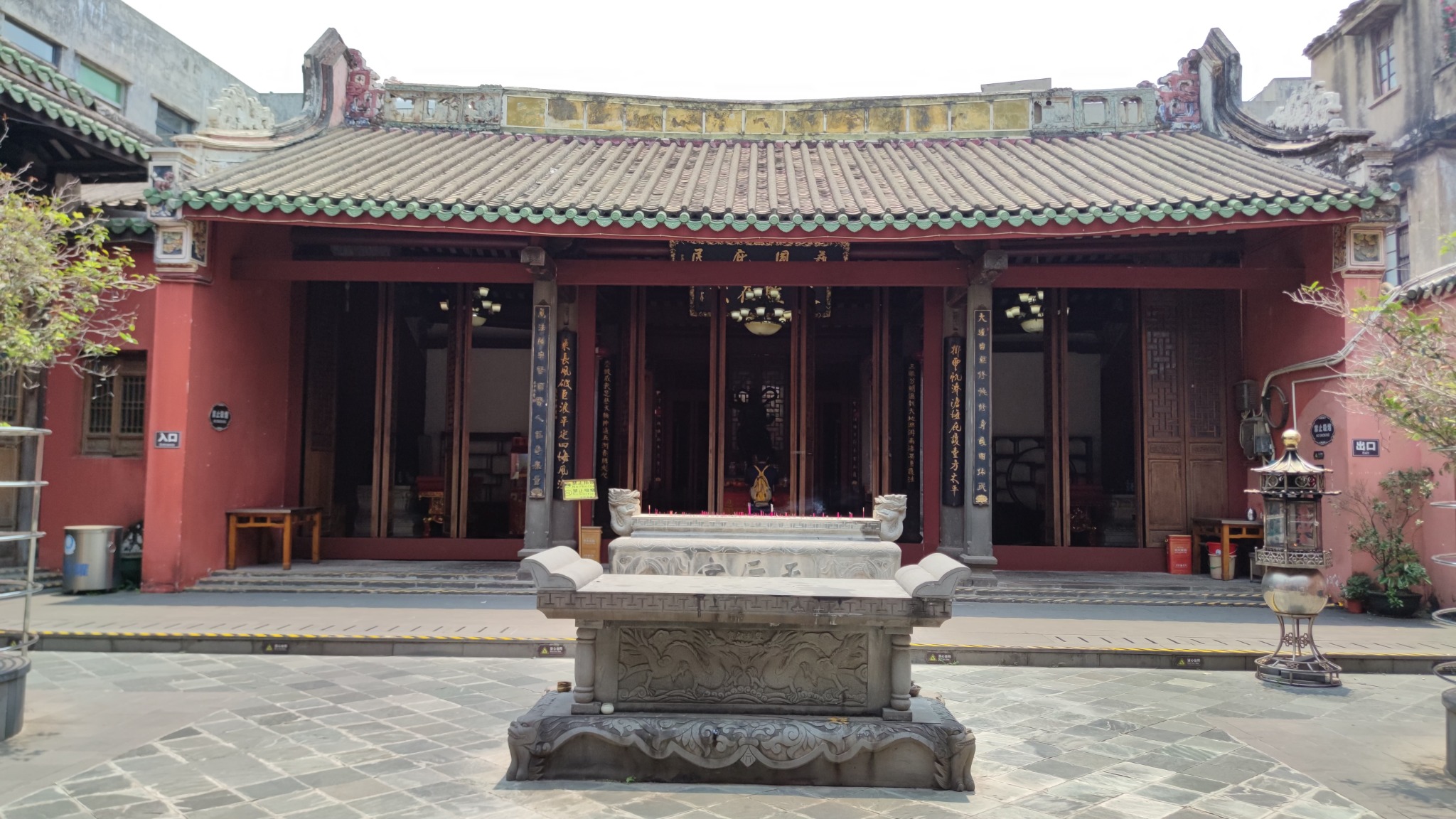
Tradition in the middle of the city
Besides the Qilou streets, Haikou also has quieter, more traditional places. Courtyards and temple areas like this give the city depth and show that the north of the island is not only a transit point.
Haikou is still tropical
Despite the urban feeling, Haikou is unmistakably Hainan. Palms, large hotel complexes and warm air are reminders that the north of the island is tropical too and does not function only as a point for arrival or departure.
Good combinations on Hainan
- Sanya plus Wuzhishan: beach and green interior as clear contrasts.
- Haikou plus Wuzhishan plus Sanya: a fuller impression of the island from the north through the interior to the south.
- Hainan after Beijing or Shanghai: a quieter second part after a major city.